Cameroon’s Giant Showcasing the Nation's Largest Fuel Plant
Cameroon’s Giant Showcasing the Nation's Largest Fuel Plant
Blog Article
" />
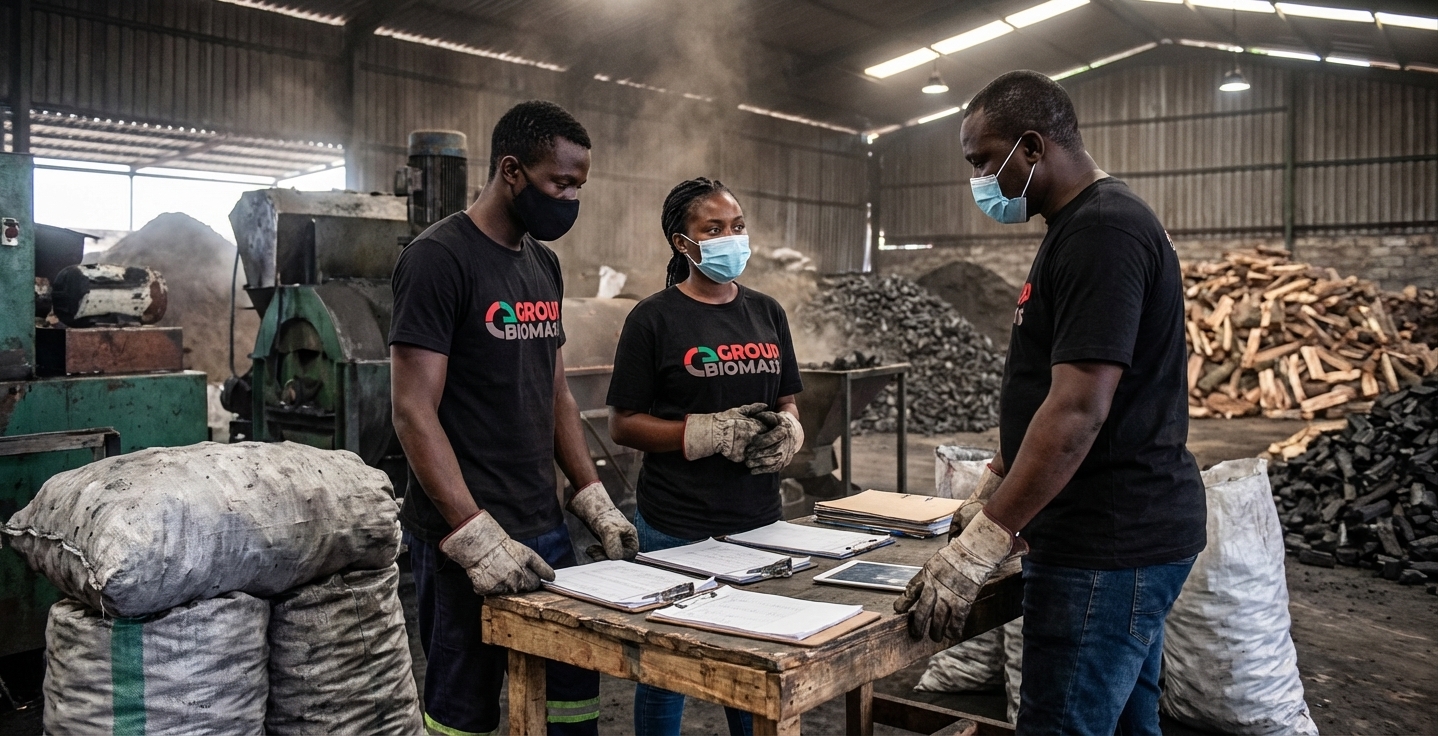
Deep within Cameroon , a massive operation stands as a symbol to the increasing demand for biomass. This production complex, reportedly the region’s biggest charcoal factory , is raising attention for both its size and the possible environmental ramifications. While creating employment for local communities, the factory's operations are prompting questions about ethical forest harvesting and the overall well-being of Cameroon’s woodlands .
Premium Lump Carbon Sale Boom: The Promising Player
Cameroon is experiencing a significant surge in dense lump charcoal shipments, positioning itself as a important nation in the global industry. Driven by increasing demand from European United States and Pacific regions, the country’s output of this eco-friendly fuel is quickly growing, offering promising prospects for Cameroonian populations and boosting the regional financial situation. The focus on sustainably sourced hardwood granulated carbon is showing to be a major factor in gaining foreign investors.
Inside Cameroon’s Hardwood Lump Charcoal Factory: Production & Sustainability
Stepping within a common Cameroon forest lump carbon factory reveals a rather straightforward process of production. Untreated trees, often obtained from managed areas, are thoroughly cut and carried to a oven. Inside, the lumber is carefully heated with limited oxygen, a procedure that transforms it into granular charcoal. While the conventional methods employed can be demanding, growing new factories are incorporating improved systems and seeking methods to enhance both efficiency and nature responsibility. This covers dedicating in renewable energy and introducing strict scrap management plans.
Cameroon's Lump Charcoal Industry : A Significant Player in Global Exports
Despite mounting environmental worries , Cameroon’s wood charcoal sector remains a surprising and vital contributor in the global export landscape. The creation of charcoal from trees is a important foundation of income for many of local families , particularly in remote areas . This activity generates a substantial amount of charcoal destined for overseas markets , often fueling heating needs in other regions, though this dependence creates problems relating to forest loss and responsible forest protection.
Le Entre Charbon de Bois En Bloc en Bois Dur vs. Les Briquettes Une Perspective Camerounaise
Dans Cameroun, , le sélection face à le charbon de bois dur en bloc et des briquettes soulève une question . Classiquement, , le charbon de bois est utilisé en son arôme distinctif et sa aptitude de produire une température élevée , idéale afin de la rôtisseries locales . Néanmoins, , des briquettes , plus disponibles à obtenir et moins chères , gagnent en popularité , surtout chez les zones modernes.
Sustainable Charcoal Making : The Trajectory of Cameroon's Forest Industry
The conventional method of charcoal manufacture in Cameroon presents a major threat to its valuable hardwood woodlands . However, new sustainable practices offer a hopeful path forward. These include technologies like biomass waste conversion and efficient earth ovens , which minimize deforestation, lower emissions, and provide financial opportunities for local communities . Embracing these environmentally sound alternatives read more is crucial to safeguarding Cameroon's biological heritage and guaranteeing the long-term sustainability of its hardwood industry while mitigating climate change .
Report this page